
Many manufacturers and furniture producers often ask, “Which edge banding hot melt adhesive is the best?” In reality, there is no one-size-fits-all answer. The right choice depends largely on the type of board, edge banding material, production process, and equipment being used.
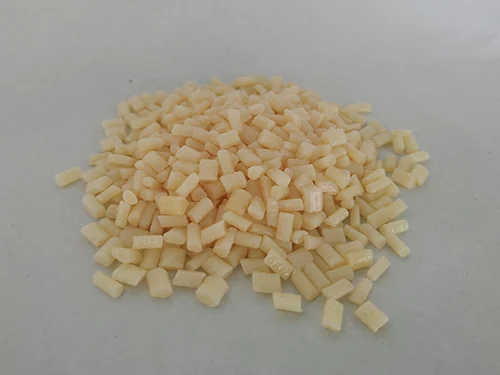
Today, edge banding hot melt adhesives are generally classified into high-temperature, medium-temperature, and low-temperature grades based on their application temperatures. In addition, PUR (Polyurethane Reactive) hot melt adhesives are widely used in premium edge banding applications due to their excellent bonding strength, heat resistance, and moisture resistance.
Different substrates and edge banding materials require different adhesive properties. For example, PVC, ABS, acrylic, melamine, and wood veneer edge bands each have unique requirements regarding adhesive flow, initial tack, bonding strength, and temperature resistance. Furthermore, different edge banding machines operate under varying temperatures and production speeds, which means the performance requirements for the adhesive can vary significantly.
For this reason, it is highly recommended to communicate thoroughly with your hot melt adhesive supplier before purchasing. Providing detailed information about the board type, edge banding material, machine model, production speed, and application environment will help the supplier recommend the most suitable edge banding hot melt adhesive solution for your production needs.
The market offers edge banding hot melt adhesives in various quality levels and price ranges. While a higher price does not always guarantee the best performance, extremely low-priced products often indicate compromises in raw material quality and manufacturing standards. Such products may lead to issues such as weak bonding, edge lifting, excessive stringing, carbonization, poor heat resistance, or inconsistent application performance.
For furniture manufacturers, edge banding quality directly affects product appearance, durability, and customer satisfaction. A poor bonding result can negatively impact a company’s reputation and increase production costs due to rework and warranty claims. Therefore, selecting an edge banding hot melt adhesive should not be based solely on price. Factors such as bonding performance, application efficiency, consistency, and long-term reliability should also be carefully evaluated.
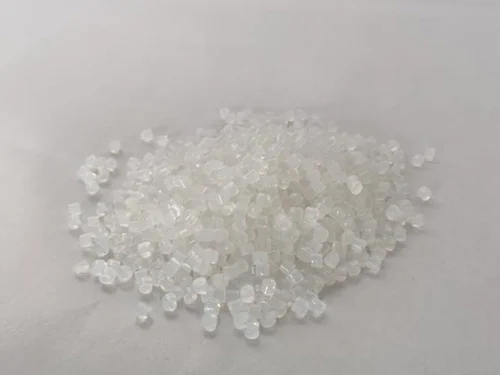
The edge banding hot melt adhesive market has matured significantly, offering a wide variety of brands and formulations. However, not every adhesive is suitable for every application. Understanding your specific production requirements is the key to making the right choice. If you are unfamiliar with adhesive selection, consult multiple suppliers, request samples, and conduct production trials to compare performance under real operating conditions.
Ultimately, there is no universally “best” edge banding hot melt adhesive—only the one that best matches your application requirements. Once you clearly understand your production process, substrate characteristics, and performance expectations, you will be able to select the most suitable edge banding hot melt adhesive for achieving efficient, stable, and high-quality edge banding results.