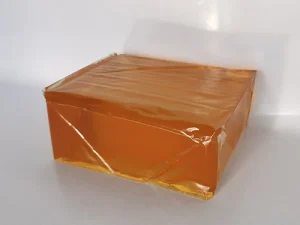
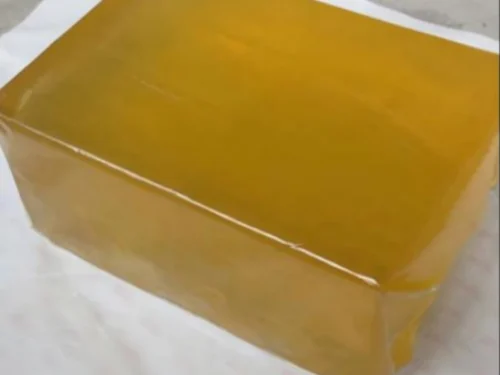

Description
Precautions
01. Temperature Control
Avoid prolonged operation above 210°C, as sustained high temperatures may accelerate adhesive degradation and impair its shape-memory self-healing performance.
02.Keep the Melting Tank Covered
Close the tank lid promptly after loading the adhesive blocks to prevent dust and foreign particles from entering and potentially blocking the spray gun.
03.Viscosity Control During Production
Adjust the application temperature to control melt viscosity and meet the requirements of the tire inner-liner spray coating process.
04. Carbon Deposit Removal
If carbon deposits accumulate in the melting tank or heated hoses, clean the affected components first with paraffin or mineral oil, then circulate hot melt adhesive at approximately 135°C through the system to flush out residues. Follow the equipment manufacturer's cleaning procedures.
Key Benefits
01.Shape-Memory Self-Healing for Automatic Puncture Sealing
The specialized organic shape-memory formulation allows the adhesive to rebound and close gaps after penetration by foreign objects, helping seal air-leak paths and improve tire puncture protection and driving safety.
02.Wide Service Temperature Range for Year-Round Performance
Designed to maintain performance within a service temperature range of -25°C to 90°C, the adhesive layer resists hardening and cracking in cold conditions and excessive flow in hot conditions.
03.High Initial Tack for Secure Tire-Liner Adhesion
With an initial tack of >20# copper ball, the adhesive bonds firmly to the inner tire surface, helping reduce the risk of detachment and blistering during long-term use.
04. Smooth Spray Application for Uniform Coating
Stable melt flow and leveling support automated spray application with minimal stringing, helping produce a uniform adhesive layer and consistent self-sealing performance.
05.Low Odor for a More Comfortable Production Environment
The low-odor formulation supports a more comfortable working environment. Its non-toxic formulation in solid form at room temperature makes it suitable for large-scale automated production.