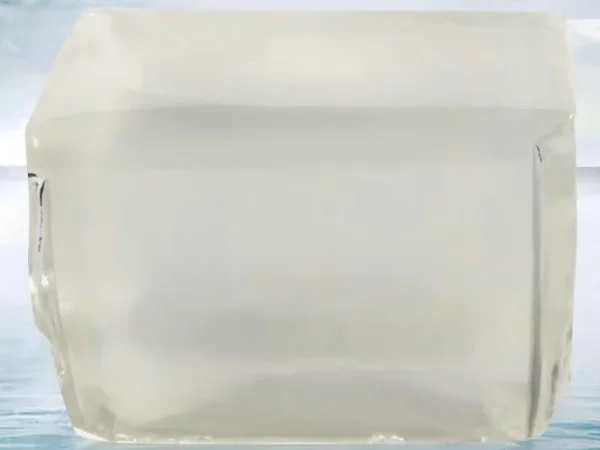

Description
Precautions
01.Control the Melting Temperature
Do not maintain the adhesive at temperatures above 175°C for extended periods. Excessive heat may degrade the hygiene-grade and environmentally friendly components, potentially generating trace irritating emissions.
02.Seal the Melting Tank After Loading
Close and seal the melting tank promptly after adding the adhesive. Dust and foreign particles entering the system may cause white spots or hard particles on the nonwoven fabric surface, affecting wearing comfort.
03.Maintain a Clean Production Environment
Keep the production area clean and dust-free. Prevent hair, debris, and other contaminants from entering the adhesive and contaminating hygiene-grade substrates.
04.Perform Regular Adhesive-Line Maintenance
For carbon deposits in the adhesive lines, circulate paraffin wax at approximately 120°C through the system for cleaning, then flush thoroughly with clean hot melt adhesive.
05.Allow Complete Cooling Before Winding
After nonwoven lamination, allow the finished composite material to fully set and cool before winding. Winding or compressing the material before complete setting may cause interlayer separation or adhesive penetration.
Key Benefits
01.Hygiene-Grade, Non-Toxic Formulation for Close-Contact Safety
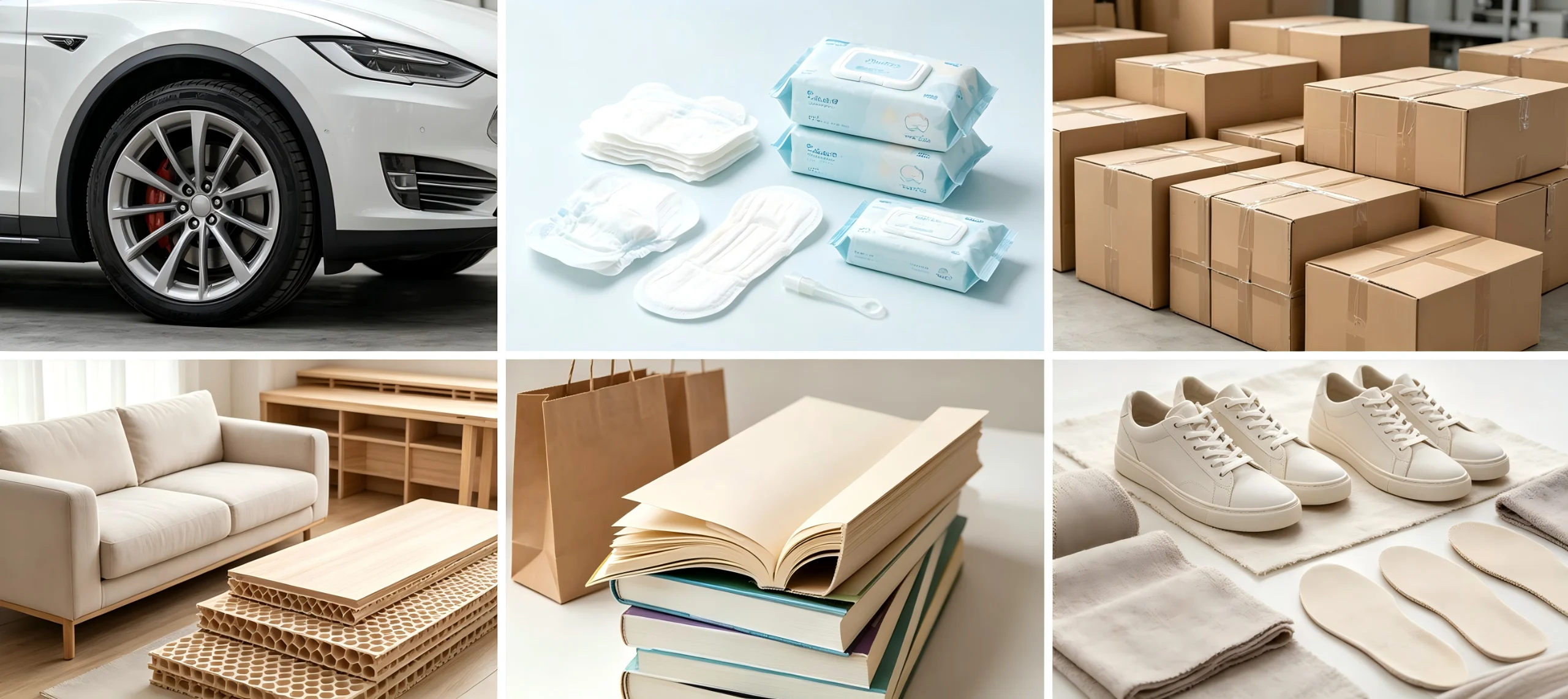
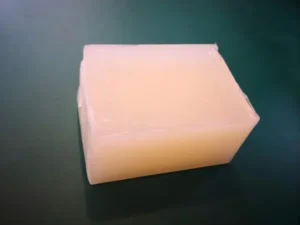
Formulated without harmful extractable substances, OGD-131A is designed for hygiene applications requiring close skin contact. The cured adhesive layer remains soft and skin-friendly, making it suitable for nonwoven lamination in baby diapers and sanitary napkins.
02.Low Viscosity and Excellent Flow for High-Speed Hygiene Production
Its low-viscosity formulation provides smooth melt flow and consistent spray atomization, enabling uniform adhesive application with minimal stringing and reduced formation of heavy adhesive spots. It is well suited for high-speed diaper and hygiene product lamination lines.
03.Low Softening Point for Gentle Processing of Lightweight Nonwovens
With a softening point of only 72°C, OGD-131A enables controlled, low-temperature processing that helps minimize thermal damage, shrinkage, and adhesive breakthrough on lightweight hydrophilic nonwoven fabrics, reducing material waste.
04.Fast Setting and Strong Adhesion for Reliable Multi-Layer Lamination
Rapid setting and strong adhesion help maintain stable bonding between multiple nonwoven layers. Excellent moisture resistance and hydrolytic stability help minimize delamination and adhesive failure caused by swelling, movement, and friction during use.
05.Standardized Cleaning Process for Hygienic Production
A dedicated low-temperature paraffin cleaning procedure helps maintain clean adhesive lines without the need for strong acids or alkalis. This supports standardized equipment maintenance and clean production requirements in hygiene product manufacturing.