
Description
I. Precautions
1. Do not keep the melting temperature above 180°C for extended periods, as sustained high temperatures will accelerate adhesive aging, reduce toughness, and impair low-temperature resistance to edge opening.
2. Keep the adhesive tank sealed to prevent dust and wood chips from contaminating the adhesive and causing edge banding defects.
3. Match the appropriate pressing time within the 4–15 second window according to the panel type and edge banding machine running speed.
4. Allow finished edge banding to fully cure before stacking, to reduce shifting and warping at panel edge sealing positions.
II. Core Advantages
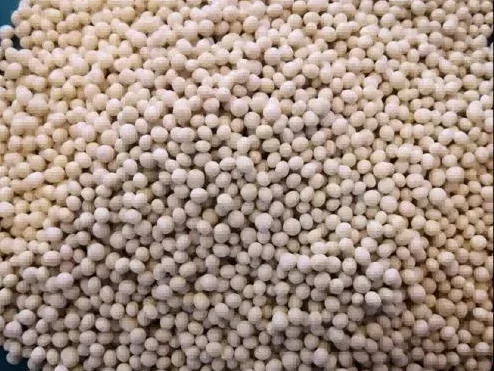
1. Spherical pellets for smooth, jam-free feeding: The white spherical pellet form provides excellent flowability, preventing bridging or arching in the edge banding machine hopper, ensuring continuous and stable material supply and reducing equipment downtime for cleaning.
2. Fast setting for high-speed furniture edge banding lines: The excellent setting rate matches the continuous production rhythm of automated edge banding machines, improving the production efficiency of panel furniture.
3. High bond strength for secure edge sealing: The high melt viscosity design offers strong wetting of the panel and edge banding tape, ensuring tight bonding that effectively blocks moisture from penetrating the panel.
4. Outstanding low-temperature performance for stable year-round production: Excellent low-temperature toughness prevents furniture edges from warping or debonding under low-temperature storage and transportation in autumn and winter, significantly reducing after-sales rework rates.
5. Medium-temperature processing range protects thin veneer panels: The 150°C–180°C medium-temperature process, compared with high-temperature edge banding adhesives, reduces the risk of heat scorching thin edge veneers.